Our Regenerative Approach
Our dahlia tubers are grown on our family farm using natural, earth-minded practices. By caring for the soil, fostering biodiversity, and using preventative pest management, we nurture healthy, vigorous tubers ready to thrive in your garden.
Soil Care
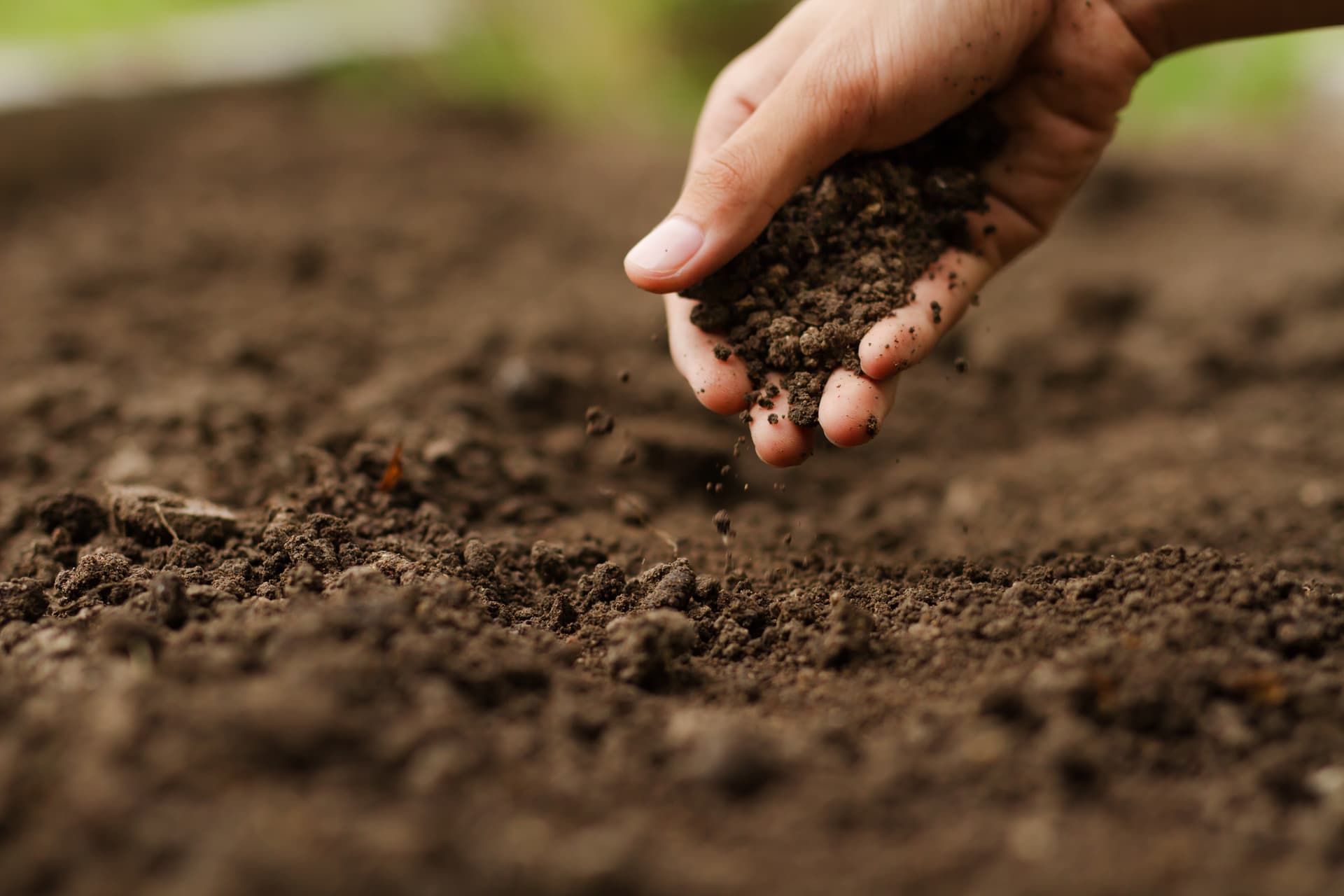
Healthy soil is the foundation of everything we do. Before planting, we test our soil annually through our local county extension office to understand its nutrient profile and pH. We use these results to amend our soil thoughtfully—adding what's needed and avoiding excess.
We build soil organic matter through regular additions of compost, aged manure, and cover crops. In the fall, after we've harvested our tubers, we plant a winter cover crop to protect and feed the soil through the cold months. Come spring, we incorporate that cover crop as green manure before planting.
We also track our soil health throughout the season using BRIX readings—a measure of dissolved solids in plant sap that correlates closely with plant health and pest resistance. Check out our blog for more on how we use BRIX on the farm.
Biodiversity
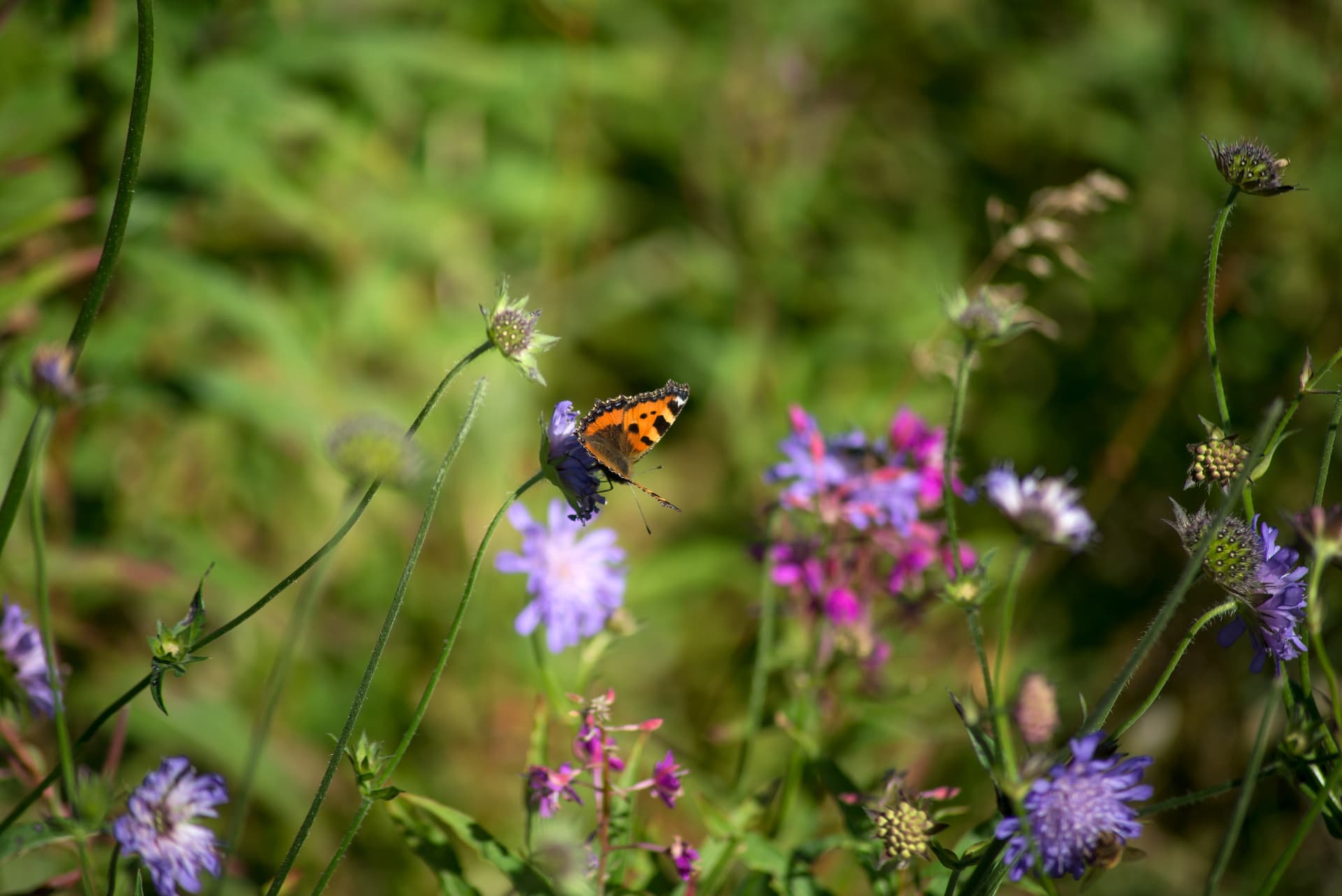
We believe a diverse farm is a resilient farm. We don't grow only dahlias—we interplant with herbs, beneficial insect attractors, and native flowers to create habitat for the insects and organisms that keep our ecosystem balanced.
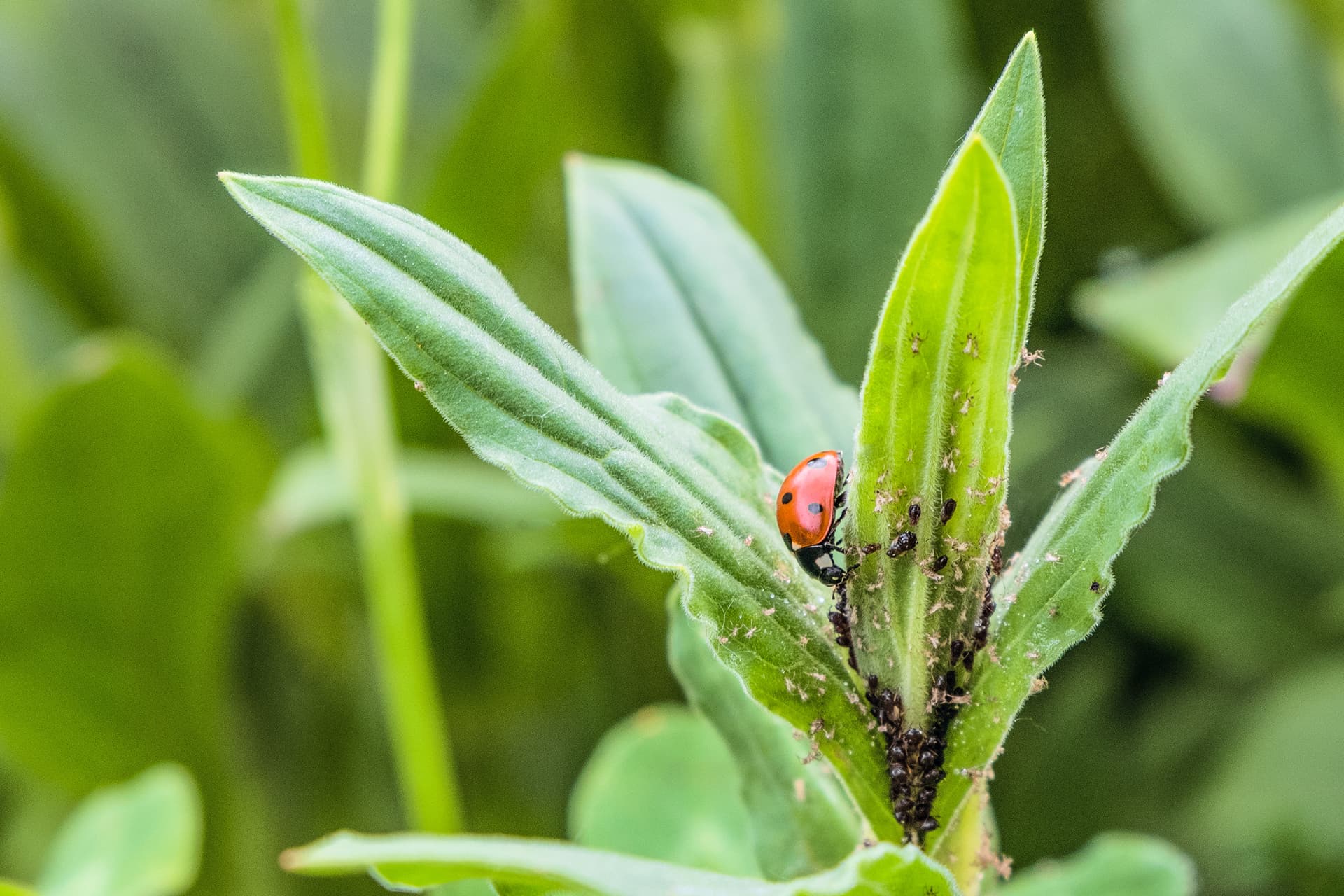
Beneficial insects like lacewings, parasitic wasps, and ground beetles are natural predators of the pests that damage dahlias. By providing habitat and food sources for these allies, we reduce our dependence on sprays and interventions.
Our farm borders natural areas and we work to maintain those transition zones as habitat corridors. We also avoid any practices that would disrupt the soil food web—no tilling, no synthetic fertilizers, and no herbicides.
Natural Fertilizing
We feed our soil, not our plants. When the soil food web is healthy and teeming with microbial life, it makes nutrients available to plants naturally—in the right forms and at the right times.
Our primary fertility strategy is building organic matter through compost, cover crops, and mulch. We also use targeted amendments based on our soil tests to address specific deficiencies.
One of our favorite fertility tools is comfrey—a deep-rooted perennial that mines minerals from deep in the soil and concentrates them in its leaves. We harvest comfrey regularly and use it as a mulch or liquid fertilizer around our dahlia beds.
We never use synthetic fertilizers. High-nitrogen synthetic fertilizers push fast, weak growth that is more susceptible to pests and disease—the opposite of what we're going for.
Pests, Disease & BRIX
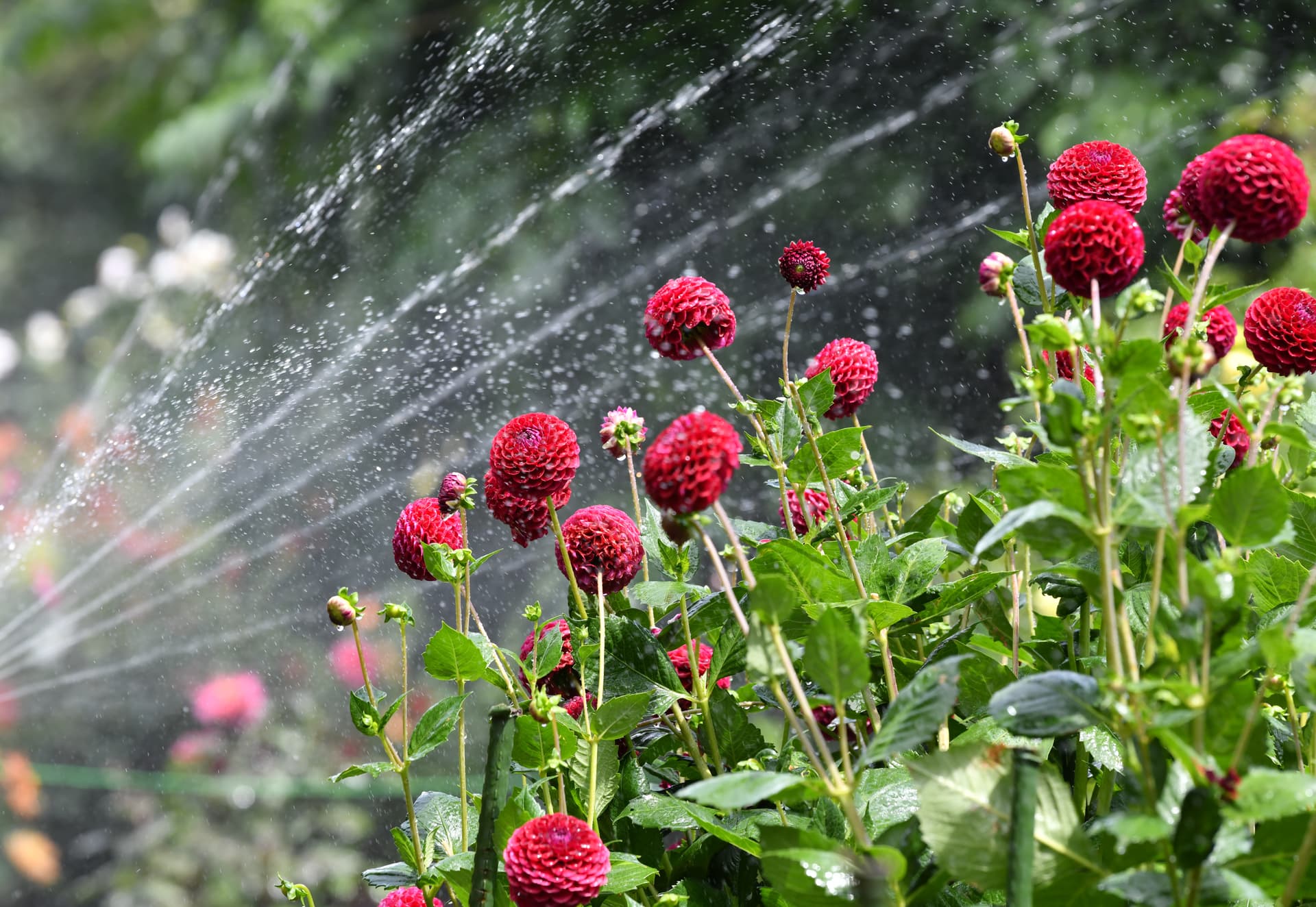
Our first line of defense against pests and disease is plant health. Healthy plants with high BRIX values are naturally more resistant to insect damage and fungal disease. This is the core of our pest management philosophy: grow healthy plants, and let the plant's own defenses do the work.
BRIX (Brix values) measure the concentration of dissolved sugars and other solids in plant sap. Higher BRIX = healthier plant sap = less attractive to sap-sucking insects and more resistant to fungal pathogens. We test our plants regularly with a refractometer and use the readings to guide our fertility and watering decisions.
When we do see pest pressure, we start with the least interventive approach: hand removal, row covers, or targeted releases of beneficial insects from suppliers like Arbico Organics. We never spray synthetic pesticides or fungicides.
Weeding
To naturally combat weeds and add organic matter to our soil, we rely heavily on straw mulch to cover the soil. For weeds that push through, we hand weed only. Our dahlias are never sprayed with toxic herbicides.
Want to dig deeper?
Read our blog posts on BRIX, soil health, and regenerative growing practices.
Visit the Blog